When the Lights Go Out: Asbestos Control in Void UK Premises
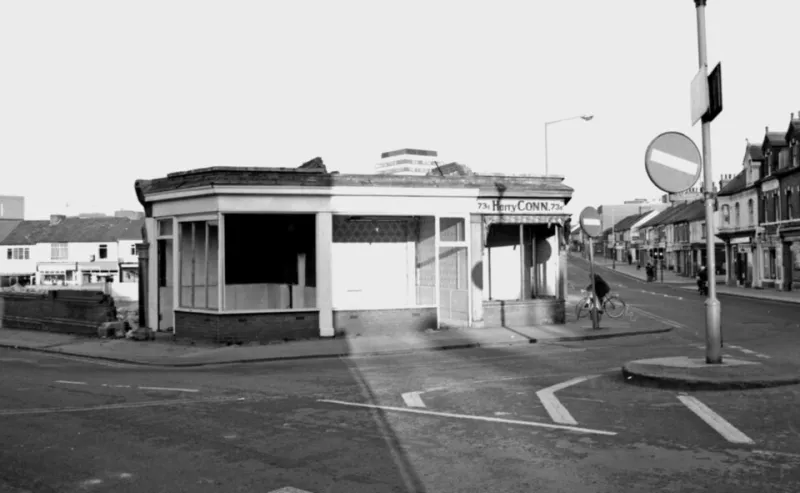
Photo: P L Chadwick , CC BY-SA 2.0, via Wikimedia Commons
Vacant premises can look quiet, but they are rarely inert. A closed office floor, a mothballed depot or a public building awaiting redevelopment may still contain asbestos-containing materials in ceilings, risers, pipework, floor coverings and external panels. The legal duty to manage those materials does not switch off when the occupants leave. If anything, vacancy increases the risk because routine observation stops, access becomes less controlled and small defects can develop into larger ones without being noticed.
The duty does not hibernate
Regulation 4 of the Control of Asbestos Regulations 2012 requires the dutyholder to manage the risk from asbestos in non-domestic premises. That obligation is not suspended by void periods, service closures or pending disposal. The dutyholder should review the asbestos management plan before closure and ask whether the existing arrangements still fit the building’s new condition. A plan built around occupied use may assume regular staff presence, predictable access and prompt reporting of damage. Those assumptions may no longer hold.
The review should be recorded. It should identify who remains responsible during the void period, how inspections will be carried out, how contractors will be controlled and how emergencies will be handled. A building that is empty of people still needs a named person who can act.
Rebaseline the register before the doors close
Before the building becomes vacant, the asbestos register and any supporting survey information should be checked for currency. Drawings should be available, access routes should be confirmed and known vulnerable materials should be identified. Photographs can be useful where condition is being monitored over time. The management plan should be updated to reflect the void-period arrangements, including inspection frequency and access rules.
This is also the point to decide how asbestos information will be made available to anyone who needs it. A register held in a closed office or on a system that contractors cannot access is of limited value. The dutyholder should ensure that a current copy, or clear instructions on how to obtain it, is available to maintenance staff, security teams and contractors.
Set an inspection regime that suits the risk
The frequency of void-period inspections should be risk-based. A secure, weathertight building with limited access may need less frequent checks than a property with ongoing maintenance, known leaks or repeated unauthorised entry. The inspections should look for damage to asbestos-containing materials, water ingress, vandalism, pest activity and unauthorised works. They should also check that signage, barriers and access controls remain in place.
Whoever carries out the inspection should be competent to recognise changes and to know when to stop and escalate. A simple checklist and a dated record are more useful than an informal walk-round that leaves no evidence. If damage is suspected, access to the affected area should be restricted and specialist advice obtained before any repair or clearance work begins.
Control contractor access
Void buildings often attract maintenance, security, utilities and survey contractors. Each may need access to different areas, and each may assume that someone else has explained the asbestos position. A permit system should make the asbestos register part of the access process. Contractors should receive asbestos awareness information, understand the limits of their work and know how to report a discovery. Keys and codes should be controlled, and attendance should be recorded.
Intrusive work during a void period still requires the right survey basis. A contractor sent to trace a leak or install a temporary supply may need to lift floors or open ceiling voids. If the existing management survey does not cover that disturbance, a refurbishment survey should be considered for the affected area. The fact that the building is empty does not make the work non-intrusive.
Protect the fabric and the services
Many asbestos risks in void buildings arise from secondary damage rather than deliberate disturbance. Leaking roofs, blocked gutters, burst pipes, damp and uncontrolled ventilation can all affect materials over time. Security breaches can lead to vandalism or unauthorised alterations. The dutyholder should maintain the building envelope and services to the extent necessary to protect asbestos-containing materials from damage.
Where plant is isolated or heating is reduced, the risk of condensation and water damage may increase. The void-period plan should therefore link asbestos management to the building’s wider maintenance and security arrangements. A fabric defect that would have been reported by occupants may now depend on a scheduled inspection.
Meet insurer and asset-management expectations
Insurers may impose conditions on vacant premises, including inspection frequency, security measures and notification of material changes. The dutyholder should check the policy and record compliance. Asset managers and prospective purchasers may also ask for evidence that the building has been managed during closure. A dated inspection log, a current register and a clear record of actions taken are more persuasive than an assurance that the building has been regularly visited.
Reoccupation checks before reopening
Before staff or tenants return, the dutyholder should carry out a pre-reoccupation inspection. The asbestos register should be checked against the building’s current condition, and any changes during the void period should be recorded. If there has been disturbance, water damage or unauthorised work, specialist advice should be obtained before reoccupation. The management plan should then be updated to reflect the return to occupied use, including any revised inspection arrangements and communication to building users.
Common enforcement triggers after long closures
Enforcement action after a long closure often follows a familiar pattern: no current register, no inspection records, damaged asbestos-containing materials, uncontrolled access or refurbishment work carried out without an adequate survey. These are not purely paperwork failures. They are indicators that the dutyholder has lost control of the building’s asbestos risk. The void period is precisely when that control is most likely to slip.
A vacant building is still a managed building. The dutyholder who plans for inspections, access control, maintenance and reoccupation will be in a stronger position when the doors reopen, whether the next use is occupation, sale or demolition.