Make-Safe Is Not Make-Clear: Asbestos Control in Damaged Buildings
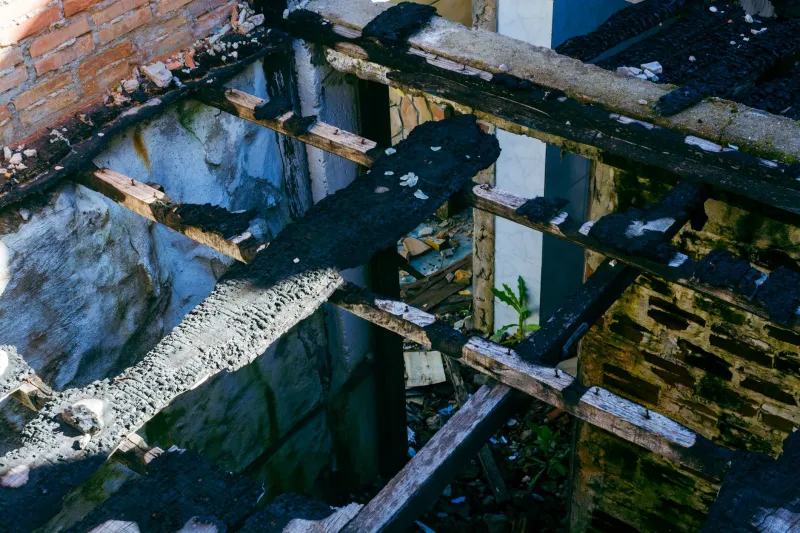
Emergency works begin with good intentions and incomplete information. A burst riser, a vehicle impact or a fire in a plant room leaves a dutyholder facing falling masonry, standing water and a contractor asking where to start. The asbestos register may be in a locked office, a server that is offline, or a filing cabinet that is now part of the debris. The instinct is to make safe first and ask questions later. That instinct is understandable, but it is not a legal blank cheque.
The duty does not leave with the occupants
Under regulation 4 of the Control of Asbestos Regulations 2012, the duty to manage asbestos in non-domestic premises and the common parts of domestic buildings rests with the dutyholder. That is usually the owner, occupier or whoever has maintenance and repair responsibility under a contract. Evacuation, closure or a change of control after damage does not suspend the duty. Nor does the arrival of an insurer, a loss adjuster or an emergency contractor. Those parties may fund, instruct or perform work, but they do not absorb the dutyholder’s legal responsibility. The dutyholder remains the person who must ensure that asbestos is identified so far as reasonably practicable, that the risk is assessed and managed, and that information is passed to those who need it.
In practice, that means the dutyholder should be represented in the emergency response. Someone with authority should hold the register, the site knowledge and the contact list, and should be contactable when the first contractor arrives. If the building is unsafe, that person may not be able to enter. The answer is not to abandon the duty; it is to appoint a competent deputy and to make the available information travel to the site.
Sequencing verification before demolition and drying
Emergency work often includes demolition, temporary propping, roof removal or water extraction. Each can disturb asbestos-containing materials. Drying is particularly deceptive: air movers, dehumidifiers and heaters can lift fibres from damaged ceiling tiles, insulation or floor coverings, and the movement of equipment can crush fragile board. The fact that a work activity is urgent does not make it asbestos-free.
The practical sequence is to secure the area, stop uncontrolled disturbance and take advice from a competent asbestos specialist before destructive work goes further than it must. Urgent actions to save life or prevent serious danger may need to happen first, but they should be directed by someone who understands the risk and should stop if suspect material is encountered. An emergency survey or targeted sampling can be commissioned quickly. Where sampling is not possible, the dutyholder should presume that materials contain asbestos and manage the work accordingly. A licensed contractor should be used for licensable work; the emergency context is not a general exemption from the licensing regime.
Rebuilding the register after damage
Damage often destroys the very records that would have answered the question. The dutyholder should gather copies from previous surveys, operation and maintenance manuals, project files, insurer records, contractor reports and any digital register held off site. Photographs taken before and during the incident can help identify materials and locations. The register should then be updated to reflect the new reality: areas that are inaccessible, materials that are now debris, and locations where the original record cannot be verified. Presumption is a legitimate management tool, but it must be recorded as presumption rather than presented as fact.
Instructing contractors through a loss adjuster
Insurance claims introduce a second chain of command. The loss adjuster validates the claim, the insurer authorises expenditure, and the emergency contractor performs the work. The dutyholder should insist that asbestos verification is written into the scope from the outset, not treated as a variation after debris has been cleared. The instruction should identify who commissions sampling, who receives the results, who can authorise a stop-work, and how asbestos-related costs will be notified to the insurer. Pre-loss agreements with emergency contractors are valuable, but they do not replace a site-specific check. The dutyholder should keep a written record of instructions and decisions, because reinstatement claims can take months to settle and memories fade.
Debris, waste and the evidence trail
Contaminated debris is not ordinary waste. Asbestos waste must be handled by trained operatives, packaged and labelled correctly, and consigned through the proper waste route. Mixing suspect debris with general demolition waste creates a larger problem and a weaker evidence trail. The dutyholder should keep photographic records, waste transfer and consignment notes, and any clearance or reassurance monitoring results. These records matter for the insurer, for the reinstatement project and for the updated management plan. They also demonstrate that the dutyholder took reasonable steps when the building was at its most chaotic.
Reinstatement is a new project
When the emergency phase ends, reinstatement begins. It should not be treated as a simple repair. Reinstatement often involves new penetrations, revised layouts and replacement materials, and it may require a refurbishment survey before work starts. The Construction (Design and Management) Regulations 2015 may apply, bringing principal designer and principal contractor duties. The asbestos management plan should be revisited, not merely filed with the claim. The handover pack should include the updated register, the survey reports, the waste records and a clear statement of what remains in place.
A short list for the first 24 hours
Secure the area and restrict access. Stop work if suspect material is uncovered. Contact the dutyholder’s nominated representative and the competent asbestos adviser. Retrieve whatever register and survey information can be found off site. Instruct the emergency contractor in writing and require an asbestos check before destructive work continues. Notify the insurer and loss adjuster that asbestos verification is part of the scope. Record decisions, photographs and waste movements from the beginning. None of this removes the need for urgency. It simply keeps urgency from becoming the reason that the duty is forgotten.
The test after damage is not whether the building was made safe quickly. It is whether it was made safe without creating a second, slower hazard in the debris and the reinstatement records. Dutyholders who keep the legal thread intact through the emergency phase will find the insurance, contractor and compliance strands easier to hold together when the rebuilding starts.