Twelve Months, One Register: A Dutyholder’s Asbestos Rhythm for 2026

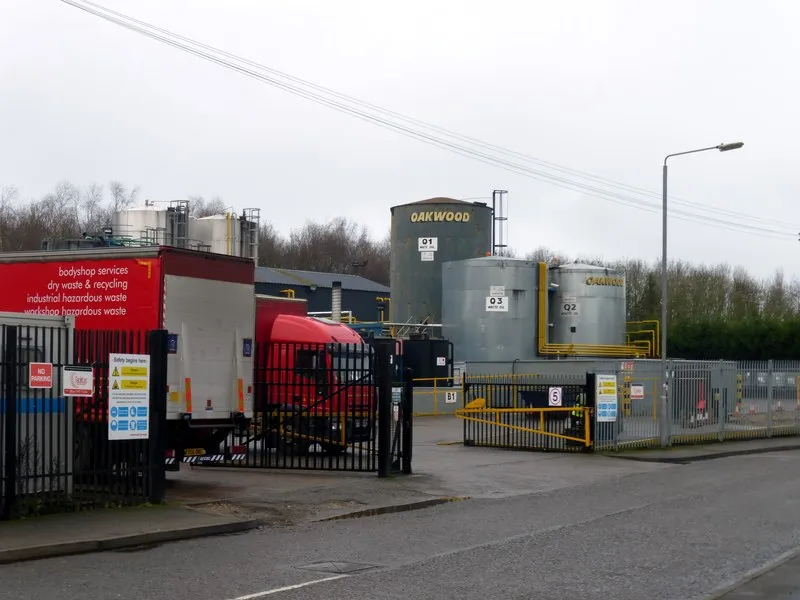
Photo: Robert Lamb , CC BY-SA 2.0, via Wikimedia Commons
An asbestos management plan is often treated as a document that sits in a folder until an inspection or a refurbishment project forces it open. That approach misses the point. Under the Control of Asbestos Regulations 2012, the duty to manage is an active obligation: premises must be kept under review, information must remain accurate, and contractors must be given the right warnings before they disturb the fabric. A compliance calendar turns those obligations into a repeatable operating rhythm.
The aim is not to create a decorative timetable. It is to make sure that register reviews, condition inspections, inductions, permit checks and waste records happen before they become urgent. In 2026, with staff turnover, changing building use and a steady flow of maintenance and retrofit work, a predictable annual cycle is one of the most effective safeguards a dutyholder can put in place.
Start With Roles, Not Dates
January is the natural point to reset ownership. The calendar should name the dutyholder, any deputies, the competent person overseeing asbestos management, and the person responsible for contractor approvals. Where responsibilities have changed, the handover should include access to the register, survey reports, management plan, training records and the previous year’s audit findings.
A calendar with no named owner becomes a list of good intentions. A short January review should confirm who signs off register updates, who authorises intrusive work and who checks waste documentation. It should also identify sites or tenancies where responsibility is shared, because shared buildings often fail at the boundaries between parties.
Late Winter: Verify the Register
February and March are suitable for a structured register review. The question is not simply whether the document exists, but whether it still reflects the building. Has a partition been added? Has a plant room been reconfigured? Have tenants changed? Has a previous survey limitation become more significant because access is now available?
The review should distinguish between known asbestos-containing materials, presumed materials and areas that have never been inspected. Presumptions are legitimate where they are recorded and managed, but they must not become a substitute for evidence. Any material that has been removed, encapsulated or newly identified should be reflected in the register and in the drawings or schematics used by contractors.
Spring: Inspect Condition and Access
Condition inspections are usually most practical in spring, before summer projects begin to consume staff time. Priority should go to materials that are damaged, exposed, friable or located in areas subject to frequent disturbance. Plant rooms, service risers, ceiling voids and shared circulation areas deserve particular attention.
Inspections should record more than a tick box. The date, location, material type, condition, accessibility and recommended action should be clear enough for someone who was not present to understand the risk. Photographs can help, but they should be dated and linked to the register entry. If access is blocked, that limitation should be recorded rather than quietly ignored.
Contractor Season: Inductions and Permits
From April onwards, many UK sites see an increase in maintenance, fit-out and refurbishment work. Before contractors arrive, the induction should be tailored to the trade and the task. A electrical contractor working in a ceiling void needs different information from a grounds maintenance team working outside the building. Generic inductions often fail because they do not connect the asbestos information to the work being done.
The permit or authorisation process should confirm that the contractor has seen the relevant register entries, understands the survey limitations and knows what to do if unexpected material is found. For higher-risk work, the dutyholder should check that the contractor’s arrangements are proportionate to the task, including licence status where required and the use of appropriate controls.
Summer: Refurbishment Peak and Waste Traceability
June to August is when refurbishment and fit-out activity often peaks. This is also when documentation can slip. A refurbishment or demolition survey should be commissioned before intrusive work begins, and the project team should understand that a management survey is not a substitute. The register should be updated as work progresses, not months later.
Waste traceability deserves a scheduled check during this period. Consignment notes, transfer records and carrier details should be reviewed against the work actually carried out. The question is straightforward: can the dutyholder demonstrate where the asbestos waste went, who removed it and under what authority? If the paper trail is incomplete, it should be corrected while the project team is still available to explain the gap.
Autumn: Audit the Paper Trail and Refresh Inductions
September and October are useful for a post-summer audit. The dutyholder should sample permit records, contractor inductions, register updates and waste documents. The purpose is to find systemic weaknesses, not to catch individuals out. Repeated missing signatures may point to a cumbersome process; repeated misunderstandings may point to poor induction content.
This is also a sensible time to refresh induction material for staff and regular contractors. Where turnover has been high, the calendar should include a catch-up session rather than assuming that everyone received the message earlier in the year. Records should show who attended, when and what was covered.
Winter: Plant Rooms and Cold-Weather Risk
November and December bring a different pattern of risk. Heating systems are under pressure, plant rooms are visited more often, and maintenance teams may be working in confined or awkward spaces. Lagging, gaskets and insulation in plant rooms should be checked for damage, and access routes should not be allowed to become obstructed.
Cold weather can also lead to water ingress, frost damage or emergency repairs. The calendar should include a winter check that confirms emergency contacts, out-of-hours procedures and the availability of the register for contractors called in at short notice. If a pipe bursts near asbestos-containing material, the response should not depend on someone finding a file in a locked office.
Close the Loop and Carry the Rhythm Forward
The year should end with a short review of what the calendar achieved. Were inspections completed? Were register updates made promptly? Did contractor inductions match the work? Were waste records complete? The answers should inform the next year’s schedule rather than simply repeating the same dates.
A good asbestos calendar is not a guarantee of compliance, but it makes compliance visible and repeatable. It survives staff turnover because responsibilities and dates are recorded. It supports inspection because the dutyholder can show a consistent pattern of review and action. Most importantly, it keeps the register connected to the building, the contractors and the work that could disturb asbestos throughout 2026.